 Stellarfusion, AI consulting for small businesses and startups
AI consulting for small businesses and startups
Stellarfusion puts AI agents to work on the everyday tasks of a small business, and builds apps, websites, tools, and integrations with AI.
We work with owners, founders, and small teams who spend too much of the week on repetitive tasks and want that time back for customers and growth.
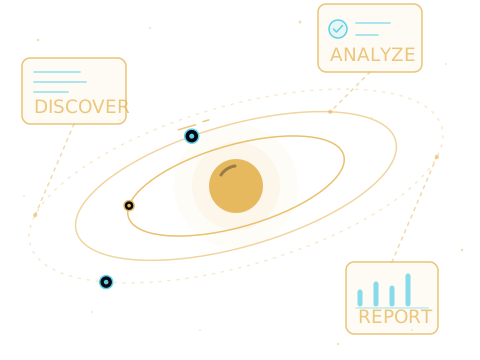
What We Do
AI Roadmap
Before you invest in AI, it helps to know where it will save your business the most time. We start by learning how your business runs, then give you a strategic plan that shows what to automate first and what can wait.
Agent Workflows
Much of the repetitive work in a small business can go to AI agents that follow your rules. We set up agents for document handling, bookkeeping prep, support replies, research, and reporting. Every workflow includes guardrails and a review step, so a human checks anything that matters before it goes out.
Build With AI
Whether you need an app, a website, an internal tool, or an integration between the systems you already use, we build it with AI agents. We take the work from the first sketch through launch on the web, the App Store, or Google Play.
Development Pipeline
Every change to your code and content is recorded with who made it and why, and any change can be undone. We set up Git, which keeps a shared history of your files, on GitHub, GitLab, or Bitbucket. A person reviews each change, automated tests check it, and each release is published the same way every time.
Training
AI tools only help when people are comfortable using them. We build each session around the tasks your team already does, so everyone can use what they learn the next morning.
Fractional AI Lead
Put an experienced person in charge of AI without making a full-time hire. On a part-time basis, we run your agents, keep the roadmap moving, and decide with you what comes next.
We also continue to help with project management, payment systems, graphic design, branding, written content, video editing, and bookkeeping.
Pricing
AI Roadmap
$3,500 flat
A written plan in two weeks.
Credited toward a build booked within 60 days
Fractional AI Lead
Advisory $3,500 a month
About six hours each month.
Lead $7,500 a month
From 16 to 20 hours each month.
Hands-on building included
Three-month minimum on either plan.
Training
$3,000 half day
$4,500 full day
Up to 15 people. Travel is extra.
Includes 30 days of email follow-up
Hourly Advice
$450 an hour
Two-hour minimum, booked ahead.
Credited toward a roadmap booked within 30 days
Agent Workflows and Build With AI
Quoted after the roadmap
How We Build
We build with AI agents, but we do not vibe code. Vibe coding means asking an AI for software and shipping whatever comes back.
We are product and app developers with years of work in product management, user experience, and engineering. We also bring years of agile delivery, building alongside the people who use a product and the product owners who answer for it. That background is what makes the work hold up on quality, security, and usability.
Nothing ships until it has passed review. Security and privacy are designed in, not added at the end. We test each screen with the people who will use it. The proof is in the next section: three apps we built and shipped on the App Store and Google Play.
Work
In 2025 and 2026, Jamie Girardi built and released three apps, and each one is available on both the App Store and Google Play.


The apps are published by Prodigy Life LLC.
Here is how the three apps were built:
- A fleet of AI coding agents that Jamie runs on Claude Code
- Written review gates that every change passes before it ships
- A versatile Supabase backend with sign-in, subscriptions, and over-the-air content delivery
- AI features inside the apps, built on Claude models, with a validator that checks the output
- Quantum randomness: every card, rune, or target is drawn with a number from the quantum random number generator at the Australian National University
- Release scripts that send new builds to TestFlight, the App Store, and Google Play
- A content management system that publishes new content to users without an app update
See an Agent Work
When the demo runs, an AI model reads five sample documents from the inbox of a small florist, one at a time. For each one, it says what the document is, pulls out the key details, and decides where it goes: filed, sent to a person for review, or answered with a drafted reply. Each result comes from a live call to Claude Haiku 5.5, a model from Anthropic, so the wording can change from run to run. In a real setup, a human checks anything that matters before it goes out.
Sample Inbox
- Invoice from Quillmark PackagingWaiting
From: Quillmark Packaging, accounts@quillmark.example
To: Fernhill Flowers
Subject: Invoice QP-2291

Invoice QP-2291
Issued: October 27, 2026
Due: November 26, 2026 (net 30)

Kraft gift boxes, 400 at $0.78: $312.00
Satin ribbon spools, 40 at $3.70: $148.00
Total due: $460.00

Pay by bank transfer or by card through the link in your account. Thank you for your order.
- Receipt from Hollis HardwareWaiting
From: Hollis Hardware, receipts@hollishardware.example
To: Fernhill Flowers
Subject: Your receipt

Hollis Hardware
Date: October 30, 2026

Galvanized watering cans, two at $18.99: $37.98
Shelf brackets, pack of six: $24.50
Garden twine: $17.99
Subtotal: $80.47
Sales tax: $6.00
Total paid: $86.47

Paid by card ending 3318. No balance due. Keep this receipt for returns within 30 days.
- Email from a customer, Priya NandakumarWaiting
From: Priya Nandakumar, priya.n@example.com
To: Fernhill Flowers
Subject: Order FF-10482 arrived damaged

Hello,

I ordered a table centerpiece (order FF-10482) for an anniversary dinner for my parents on Saturday, October 31. It arrived that afternoon with two broken stems, and the hydrangeas were already wilting. We still used it, but it did not look like the photo on your site.

Could you replace it or refund part of the order? I have photos if you need them.

Thank you,
Priya Nandakumar
- Renewal notice from Bellwether POSWaiting
From: Bellwether POS, billing@bellwetherpos.example
To: Fernhill Flowers
Subject: Your subscription renews on December 1, 2026

Your Bellwether POS Standard plan renews automatically on December 1, 2026, for another 12 months.

New annual price: $1,188.00 (this year you paid $948.00)
Payment method on file: card ending 7702

To change plans or cancel, sign in to your account by November 15, 2026. After that date, the renewal cannot be changed.
- Notice from Tallowmere BankWaiting
From: Tallowmere Bank, notices@tallowmere.example
To: Fernhill Flowers
Subject: Returned deposit on your business checking account

Business checking account ending 4821
Notice date: November 2, 2026

A check for $1,250.00 that you deposited on October 29, 2026, from Marlow Event Rentals, was returned unpaid for insufficient funds. We have taken the $1,250.00 back out of your account and charged a returned item fee of $15.00.

You can ask the payer for another payment, or deposit the check again once. Contact your branch with any questions.
Agent Log
The demo runs only with JavaScript turned on. The sample documents are here to read.
The sample documents are fictional, and the answers come from a live AI model. This site keeps no document text and no answers from the demo.
Average response time across all runs 1,999 ms
Case Studies
The first four case studies are from our own work. The three that follow are example scenarios, not client stories, and each one shows the kind of engagement we take on and how the work would unfold.
From Our Own Work
Three Apps Built and Shipped at the Same Time
In 2025 and 2026, Stellarfusion built and released three apps at the same time: ProdigyClear, Prodigy Mindsight, and Prodigy Lightfield, each on the App Store and Google Play. Every app has its own code on two platforms, its own store listings, and its own release schedule. A company of one cannot give each app a team.
The answer is a team of AI coding agents on Claude Code, each with a named role: one plans and coordinates, one writes code, one writes the customer documents, and others are started for a single task and retired when it is done. The founder sets the direction, tests every build on his own devices, and makes the decisions. The three apps share one backend for sign-in and subscriptions, a common body of code, and one release process, so a fix made once reaches the other two apps in their next release. Every change is logged on a task board with its commit and reviewed before it ships. A change that touches payment, account state, or data that moves between devices also gets a second reviewer whose only job is to break it.
The release scripts build, sign, and upload each new version to TestFlight and Google Play, submit it to the App Store, and write the release log themselves. The agents post their status to a shared message bus, so the founder can run the whole team from his phone.

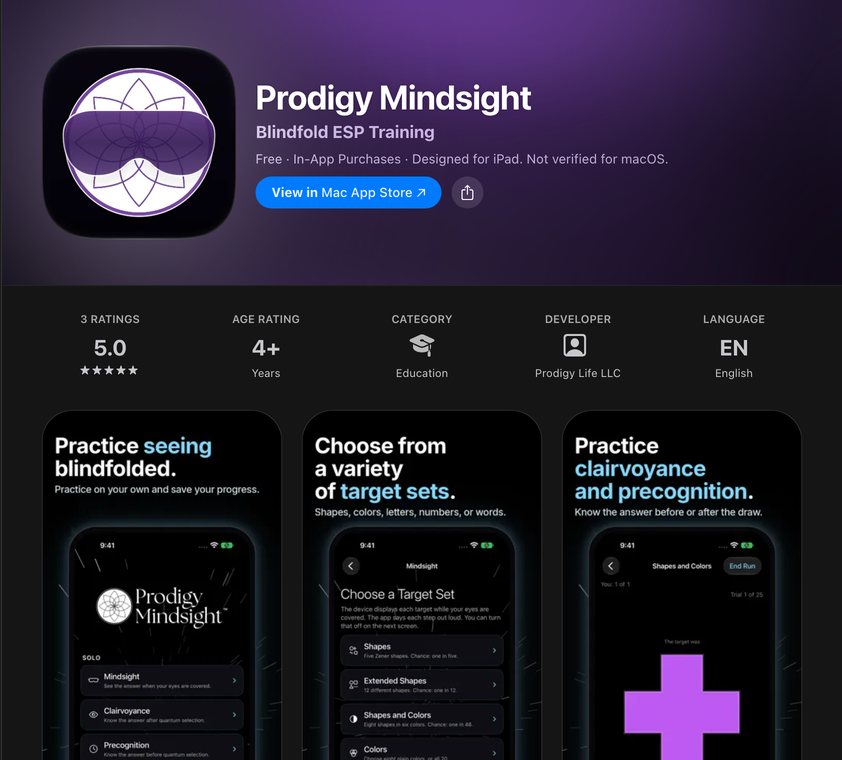
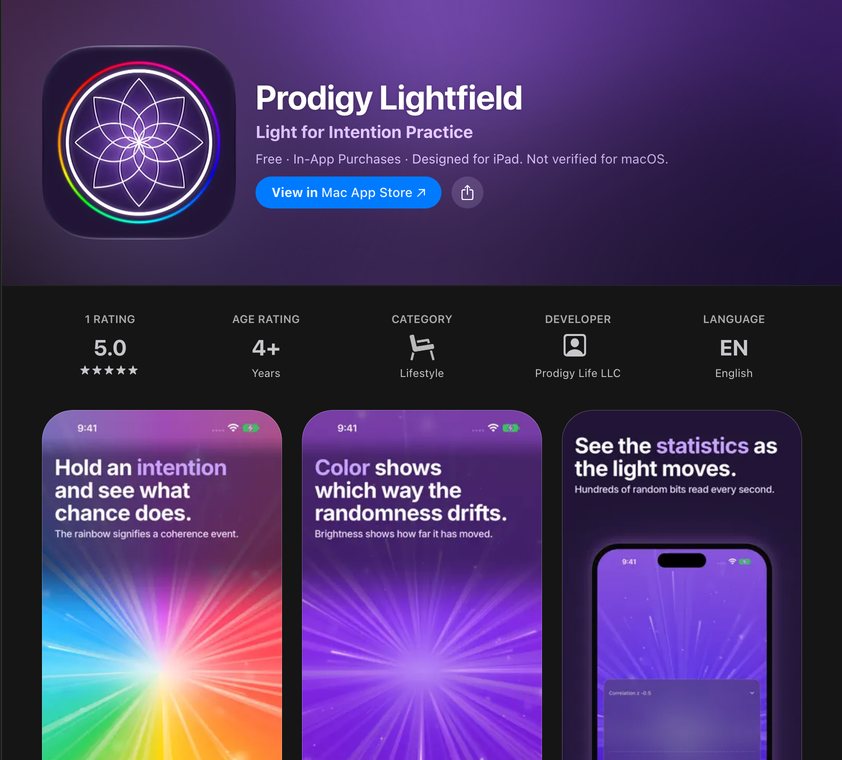
The result is three apps on both stores, kept current together, from one person and a team of agents.
From Our Own Work
One Message Bus for Every Agent
Several AI agents work on the same code and documents at the same time, and not all of them run on the same platform: most on Claude Code, one on OpenAI Codex, and the founder himself. Each agent knew only its own conversation. One could finish a task, or get stuck on it, and nobody else would know until the founder read the transcript.
The answer was a message bus: a small shared database on the machine, a command any agent can run, and a menu bar app that shows the live feed. An agent posts to the room or sends a direct message to another agent by name, and agents check their inbox when they start work. The rule is simple. When an agent finishes a task, abandons it, or is blocked on it, it posts one line saying what shipped, the commit, the build status, and what the founder should retest. Because the bus is a file and a command rather than a feature of one vendor, an agent from any platform joins by running the same command.
The result is a team that keeps itself informed: agents leave work and handoffs for one another by name, the founder watches one feed instead of many transcripts, and a new agent, from any platform, joins with one command.
From Our Own Work
Documents and Version Control With Many Editors
The three apps above hold thousands of entries of written content, and that content changes every week. Several AI agents and people edit the code, the website, and the documents at the same time, so the question is how to keep everyone on the same version without anyone overwriting someone else.
Every file lives in version control, and nothing is edited in place on a live server. Each editor pulls the latest version before touching a file, and every change is committed with a note that says what changed and why, so the history of any line can be read back. The content itself lives in a spreadsheet that the founder edits directly. A script applies his edits to the database, writes a snapshot into version control, and publishes the new content to the apps over the Internet, so users receive it without an app update. A version rule makes sure an app update can never put a user back on older content. A task board logs every change with its commit, and each change passes a written review before it ships.
The result is one source of truth for code, content, and documents, edited by many hands in parallel, with every change traceable and reversible.
From Our Own Work
A Community App Planned in Full, Then Built by People and Their AI Agents
Amplification Circle is a community of creators who share content from one another where it fits their audience, starting with a pilot of 25 members on Facebook, Instagram, YouTube, and TikTok. Its app studies how the algorithm on each platform treats a post, then plans who shares what, on which platform, and when, so each post gets the widest reach. The founder of Stellarfusion leads the build.
A member posts a Launch Card for a new piece, and the app draws who is asked to share it, in up to four timed waves. The draw is fair by a rule that can be tested: the members asked least go first, nobody is asked more than three times a week, and an administrator can replay any draw and see that it matches. Every post is also an experiment. Unless the member chooses, the app decides at random whether a post gets Circle sharing or goes without, then compares the two at one hour, 24 hours, 72 hours, and seven days. A number called the Escape Ratio shows how much of the reach of a post came from people who do not follow the creator.
Trust is part of the design. Sharing is always a choice, with I Shared It and No Thanks on every suggestion. Members can download their data, withdraw a consent, or leave at any time, and leaving deletes what the app holds about them. Reports hide any figure that covers fewer than five members, and they list what the pilot could not measure beside what it found.
The build is set up so that each person who joins brings their own AI agents, on their own accounts, with two people and five agents so far. Agents on different accounts share no memory and no chat, so every rule lives in the repository: one guide that any agent from any vendor can follow, 10 short process documents, and six ready prompts that start a new agent inside the rules. Since the guide went in, every change has arrived as a pull request, and one check command runs the linter, the type checks, the tests, the database tests, and the build on each one. The plan names all 19 screens, with the wording for every empty and error state, before any screen is built. The public site changes only on the word of a person, given each time.
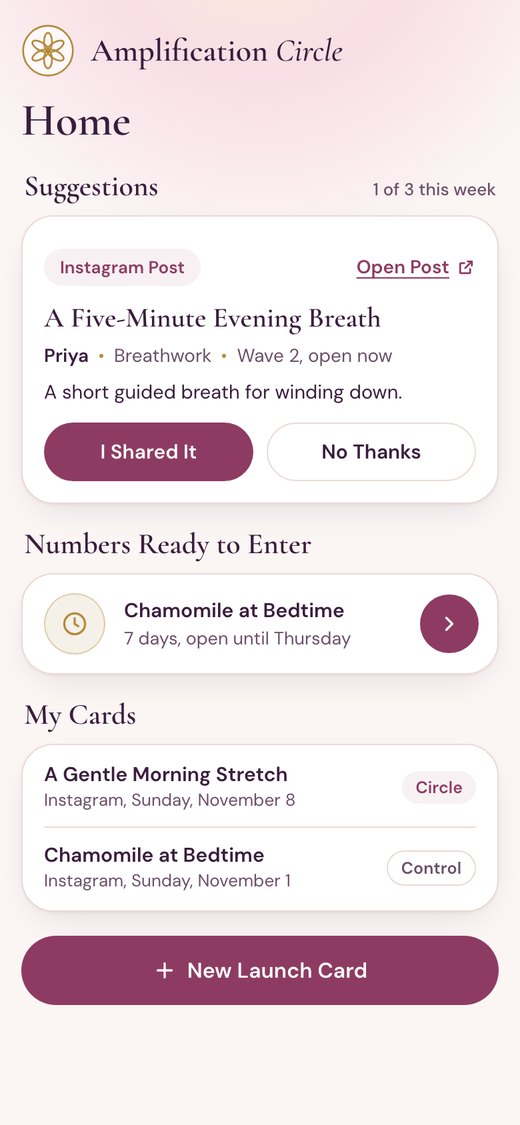
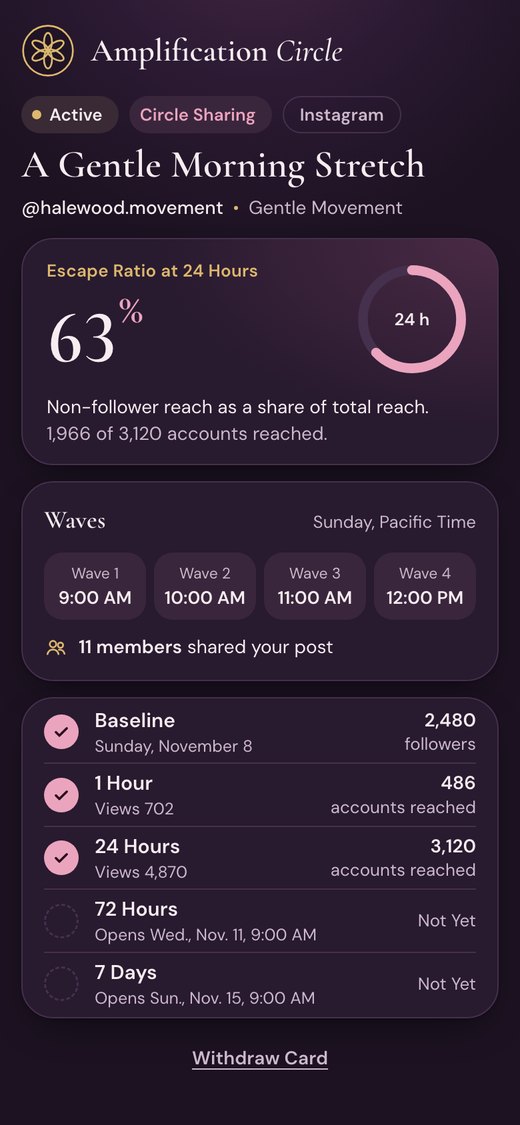
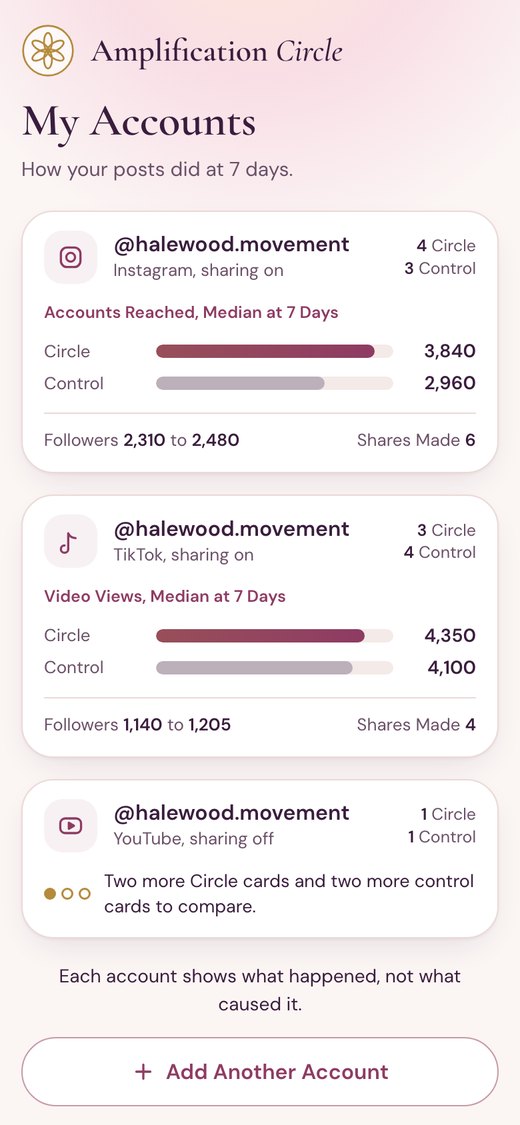
The result, two days in: a full plan, a chosen design, the database with its access rules, and a pipeline that several people and their agents can build on at the same time.
Example Scenario
Where AI Fits at an Investment Startup
A fintech startup runs an investment platform: a trading engine, a research desk, a compliance process, and a growing base of customers with questions. The founders know AI belongs somewhere in those systems, but every vendor says everywhere, and the team cannot afford to rebuild on a guess.
We would use AI to answer the question. Agents read the codebase, the data pipelines, the runbooks, and the support history, and map how the systems fit together and where the hours and the risk sit. From that map we test candidate uses against real work from the platform: summarizing research, spotting unusual activity in transactions, drafting customer answers from the policy documents, and keeping compliance records current. Each test is scored on time saved, error rate, and how well the output can be checked. Trading decisions stay with the people and the rules the firm already has. The result is a strategic plan that shows what to automate first, what to leave alone, and the guardrails for each piece, with a human checking anything that matters before it goes out.
In a scenario like this, the startup starts with the two or three uses that pay off soonest, avoids the ones that would have added risk, and has a written case for each choice that its investors and its regulator can read.
Example Scenario
Document Intake for a Small Practice
A small professional practice, such as an accounting or insurance office with a handful of staff, receives a steady stream of client documents by email and upload. Someone has to open each one, work out what it is, file it in the right place, and pull out the figures for the books.
We would set up an agent that reads each incoming document, sorts it by client and type, files it, and prepares the entries for bookkeeping. Anything the agent is unsure about goes to a review queue, and a person approves each batch before it reaches the books.
In a scenario like this, the owner gets back most of a day a week, and the staff spend their time checking the work instead of doing it by hand.
Example Scenario
Clearing a Startup Support Inbox
A young software startup gets more support email than its small team can answer. The help docs already cover most of the questions, yet replies take days, and the founders end up answering messages late at night.
We would connect an agent to the help docs and the inbox. The agent drafts a reply to each message and notes the article it drew from, and a person reads, edits, and approves every reply before it goes out. Questions the docs do not answer are flagged, so the team knows which articles to write next.
In a scenario like this, the backlog can clear within a few days, customers hear back sooner, and the founders no longer spend their nights on email.
A Clear Course
When a business works with us on more than one service, the work usually moves through four steps.
Plan the Work
We agree on priorities first, and the plan guides every step that follows.
Set Up the Agents
The agents and tools go to work on the tasks that cost you the most time.
Train the Team
Your team learns on the same tools it will use every day.
Keep It Running
If you want ongoing support, we stay on as your fractional AI lead.
About
Stellarfusion LLC is an AI consultancy for small businesses and startups, founded in 2020 by Jamie Girardi.
Before Stellarfusion, Jamie served as a program manager, served as lead agile coach, and oversaw delivery of multi-million dollar projects. Jamie was also a senior program manager coaching multiple development teams simultaneously.
He holds an MBA in Executive Global Business from the George Mason University School of Business, with residencies at the Saïd Business School of Oxford University and Beijing University. He also holds a BA in International Relations from The College of William and Mary.
Certifications include PMP, PMI-ACP, Scrum Coach, ScrumMaster, Product Owner, Scrum Professional (All).
Stellarfusion is based in Northern Virginia and works with businesses anywhere.
Contact
Tell us a little about your business and the work that takes up most of your week, and we will get back to you.
Or email contact@stellarfusion.com